Local SEO Services Explained Month by Month
What does local SEO actually include each month? A breakdown of the audits, citations, reviews, content, and reporting behind real local search rankings.

Local search engine optimization services are the recurring work an agency performs each month to help a business show up in the Google Map Pack and in local organic results for city- and neighborhood-based searches. This is not a one-time project with a start date and an end date. It is an ongoing cycle of technical fixes, listing management, review generation, content creation, and reporting that compounds month over month.
At GreenFlow SEM, local SEO is included in every SEO plan we run, starting from $700 a month, and is never sold as a separate line item. This post breaks down what actually happens during that engagement, month by month, so you know what you're paying for and what to realistically expect before rankings move.
What's Included in Every Local SEO Plan?
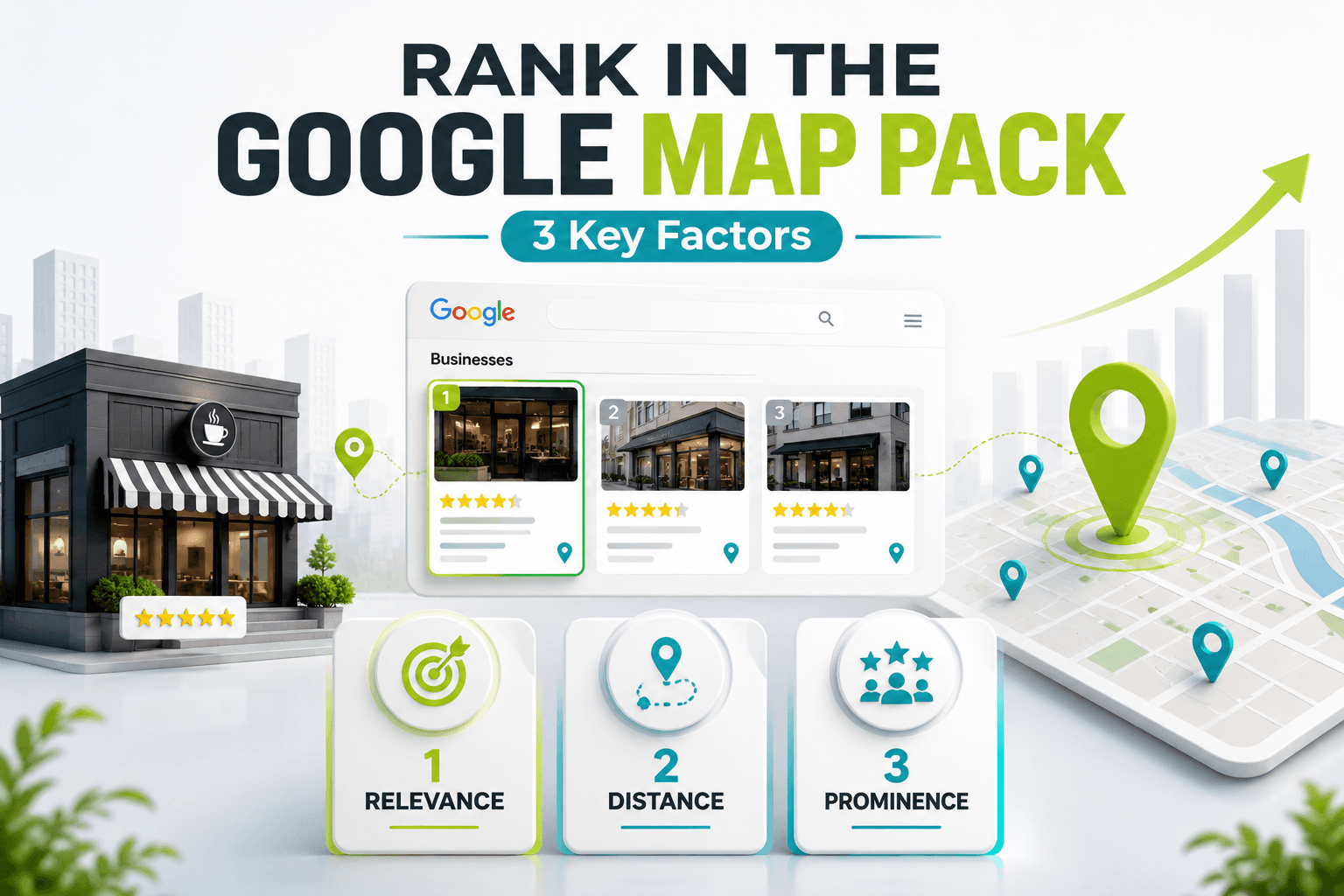
Local SEO covers a specific set of ranking factors that general organic SEO does not touch directly. Google weighs three things heavily for local results: relevance, distance, and prominence. A local SEO plan is built to move the levers a business actually controls within those three factors.
- Google Business Profile optimization and ongoing management
- Citation building and cleanup across directories
- Review generation strategy and response management
- On-page localization (city and service pages, title tags, headers)
- Local link building and community mentions
- Schema markup for local business and service data
- Monthly performance reporting tied to rankings and calls
We've written a full checklist covering the Google Business Profile piece specifically in Google Business Profile Optimization: The Complete Local SEO Checklist, and a deeper look at the ranking factors themselves in How to Rank in the Google Map Pack: 3 Factors. This post focuses on the timeline: when each piece of work happens and why.
Month 1: Audit and Foundation Work
The first month is diagnostic. Before any agency touches your Google Business Profile or writes a single page, it needs to understand what's already there, what's broken, and what's actively hurting you.
Google Business Profile Setup and Cleanup
This includes claiming or verifying the profile, correcting the business category, filling out every available field (services, attributes, hours, service areas), auditing existing photos, and checking for duplicate or suggested listings that compete with the real one. Duplicate listings are more common than most owners realize, especially after a rebrand, a move, or a change in phone number.
Technical and On-Page Audit
In parallel, we run a technical crawl of the website looking for indexing problems, missing title tags, thin or duplicate service pages, and broken internal links. Site speed gets checked here too, since a slow site undermines every other local SEO effort. We cover why that matters in Why Slow Websites Lose Leads (and How to Fix Core Web Vitals).
Citation and Competitor Baseline
The last piece of month one is a citation audit (finding every existing directory listing and flagging inconsistent name, address, or phone data) and a competitor scan of who currently holds the map pack spots for the target keywords and service areas.
THE FIRST 90 DAYS
- Audit EverythingMONTH 1
- Fix the FoundationMONTH 2
- Build MomentumMONTH 3
It's tempting to want visible movement in week one, but local SEO doesn't work that way. Google needs to see consistent, accurate signals over time before it trusts a listing enough to rank it above an established competitor. Skipping the audit phase to rush into content or link building almost always means redoing work later, once an old duplicate listing or a broken redirect surfaces and undoes progress.
In the accounts we manage, this foundation phase is also where we set up tracking. That means call tracking numbers, form submission tracking, and a baseline set of keyword rankings so that later reports have something real to compare against.
Months 2-3: Citations, Reviews, and On-Page Fixes
With the audit complete, months two and three are about execution on the items it surfaced. This is the least glamorous part of local SEO and also one of the most consequential.
Citation Building and Cleanup
Citations are mentions of your business name, address, and phone number on other websites: directories like Yelp, Apple Maps, Bing Places, the Better Business Bureau, and industry-specific directories relevant to your category. Google uses consistency across these listings as a trust signal. Inconsistent data (an old suite number, a disconnected phone line, a misspelled business name) works against every other ranking effort.
CITATION CLEANUP PIPELINE
- Google Business ProfilePrimary listingOptimized
- Apple MapsDuplicate found and mergedCorrected
- YelpCategory and hours updatedLive
- Bing PlacesNew listing createdSubmitted
- Industry directoryAwaiting approvalPending
This kind of pipeline runs quietly in the background for most of the engagement. New citation opportunities get identified, submitted, and confirmed on a rolling basis, and existing ones get monitored so an old address doesn't creep back in after a data aggregator refresh.
Some directories approve changes within days. Others take weeks, and a few require manual outreach to fix. This is one of the reasons local SEO timelines run in months rather than days: much of the work is outside your agency's direct control and depends on third-party approval queues.
Review Generation
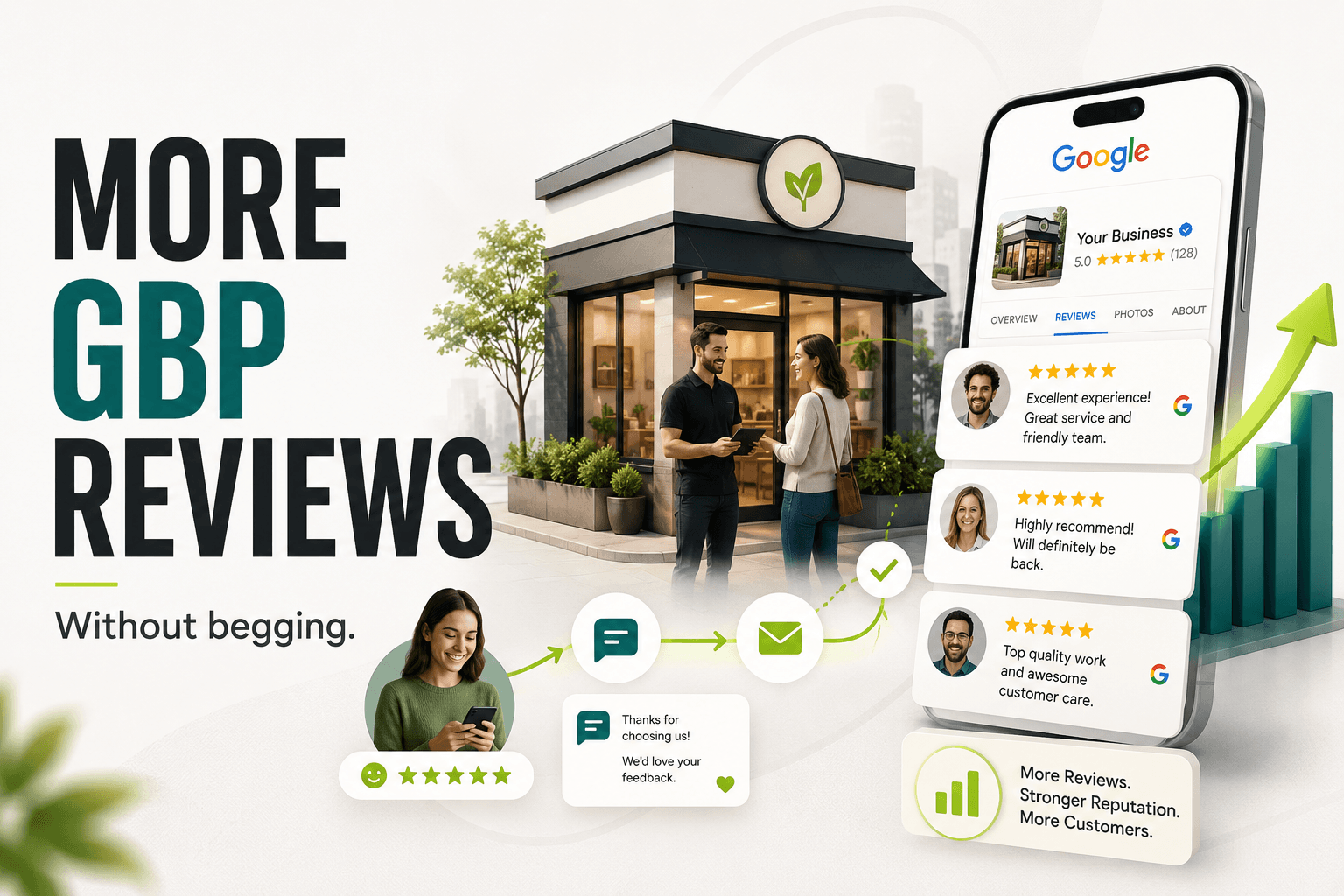
Reviews are both a ranking factor and a conversion factor. A profile with a steady stream of recent, detailed reviews tends to outperform one with a handful of old reviews, even if the average star rating is similar. Months two and three typically include setting up a review request workflow (usually a text or email sent after service completion) and a process for responding to every review, positive or negative. We cover the mechanics of this in detail in How to Get More Google Reviews (No Begging).
On-Page Localization
This is also when service pages and location pages get rewritten or created, with city names, neighborhood references, and service-specific language that matches how local customers actually search. We have a full guide on doing this well in How to Write Service Pages That Rank (and Convert).
Months 4-6: Content and the Map Pack Push
By month four, the foundation is stable: citations are consistent, the Google Business Profile is complete, and reviews are coming in on a schedule. This is when the strategy shifts from fixing problems to actively building authority and relevance.
- New local landing pages for underserved service areas or service lines
- Schema markup added to service and location pages
- Local link building through community involvement, sponsorships, or industry partnerships
- Google Business Profile posts published on a regular cadence
- Photo and video updates to keep the profile active
Schema markup deserves a specific mention here. It is structured data added to a webpage's code that tells search engines exactly what a business is, where it's located, what it offers, and what its reviews look like. Google doesn't have to guess anymore. We break this down in plain terms in Schema Markup for Small Business Websites: A Plain-English Guide.
Months four through six are also when the first meaningful ranking movement tends to show up, particularly for less competitive keywords and service areas. Highly competitive terms in dense metro areas, San Diego included, typically take longer because more established competitors are targeting the same map pack spots. We wrote about what that competitive landscape looks like locally in How to Build a Local SEO Strategy for San Diego Business.
One example from our own accounts: SD Food Truck Pros, a San Diego food truck manufacturer, holds the number one spot in Google's Places pack for "food truck builders san diego". You can run that search yourself, and the case study shows the ranking screenshot next to the account numbers.
Months 7-12: What Ongoing Local SEO Work Looks Like
Local SEO does not have a finish line. Once early rankings are achieved, the work shifts toward defending and expanding them. Google's algorithm updates continuously, competitors launch their own campaigns, and citation data can drift out of sync again if it isn't monitored.
MAINTAINING RANKINGS
- Respond to every review within 48 hours
- Publish Google Business Profile updates monthly
- Refresh service pages as offerings change
- Let the profile sit untouched for months
- Ignore negative reviews or delete them silently
- Let old citations go uncorrected after a move
This is the part of local SEO that a lot of DIY efforts miss. It's straightforward to optimize a Google Business Profile once. It's much harder to keep doing the small, recurring things (posting updates, requesting reviews, checking citation accuracy, refreshing content) every single month without it becoming an afterthought.
Ongoing work in months seven through twelve typically includes expanding into new service areas or service lines, building additional local landing pages, continuing link building, and adjusting strategy based on what the reporting shows is and isn't working.
What Should Appear in Your Monthly Report?
A local SEO report should tell you two things clearly: what changed this month, and what effect it's having. If a report only shows keyword rankings with no context, it's incomplete.
- Keyword ranking changes, including map pack position where applicable
- Google Business Profile performance (calls, direction requests, website clicks)
- New reviews received and response status
- Citations built or corrected that month
- Content or pages published
- Organic traffic trends to local pages
If you're not currently getting a report that covers most of these, that's worth asking your provider about directly. A good local SEO engagement should never feel like a black box.
How Much Does Local SEO Cost?
Local SEO is included in every SEO plan we offer, starting from $700 a month, rather than sold separately. That's a deliberate choice: local visibility and general organic SEO share the same technical foundation (site speed, on-page structure, content quality), so splitting them into separate contracts usually just adds cost without adding value.
Pricing across the industry varies widely based on competitiveness of the market, number of locations, and how much content and link building the plan includes. We break down what drives that variation in SEO Pricing Explained: What SEO Services Should Actually Cost. If you want a specific starting point for your business, a free SEO audit or the pricing overview page are both useful starting points before a sales conversation.
How long until local SEO shows results?
Most businesses start seeing measurable movement in map pack visibility and organic traffic between months three and six, with more substantial gains building through month twelve. Highly competitive categories and dense metro areas generally take longer than niche or lower-competition service categories. Anyone who promises first-page rankings within a few weeks is either describing paid ads, which is a different channel entirely, or overpromising.
Key Takeaways and Next Steps
Local SEO is a monthly discipline, not a one-time fix. The first month is audit and foundation work. Months two and three focus on citations, reviews, and on-page corrections. Months four through six add content, schema, and local link building. From month seven on, the work shifts to defending and expanding rankings already earned.
This week, you can start on your own: check that your Google Business Profile hours, category, and service list are current, search your business name plus city to see whether a duplicate listing is competing with your real one, and read through your last ten reviews to make sure every one has a response.
If you'd rather have all of this audited, corrected, and managed on a monthly schedule, GreenFlow SEM includes local SEO in every SEO plan we run, and we're happy to walk through what that would look like for your specific business on a call.