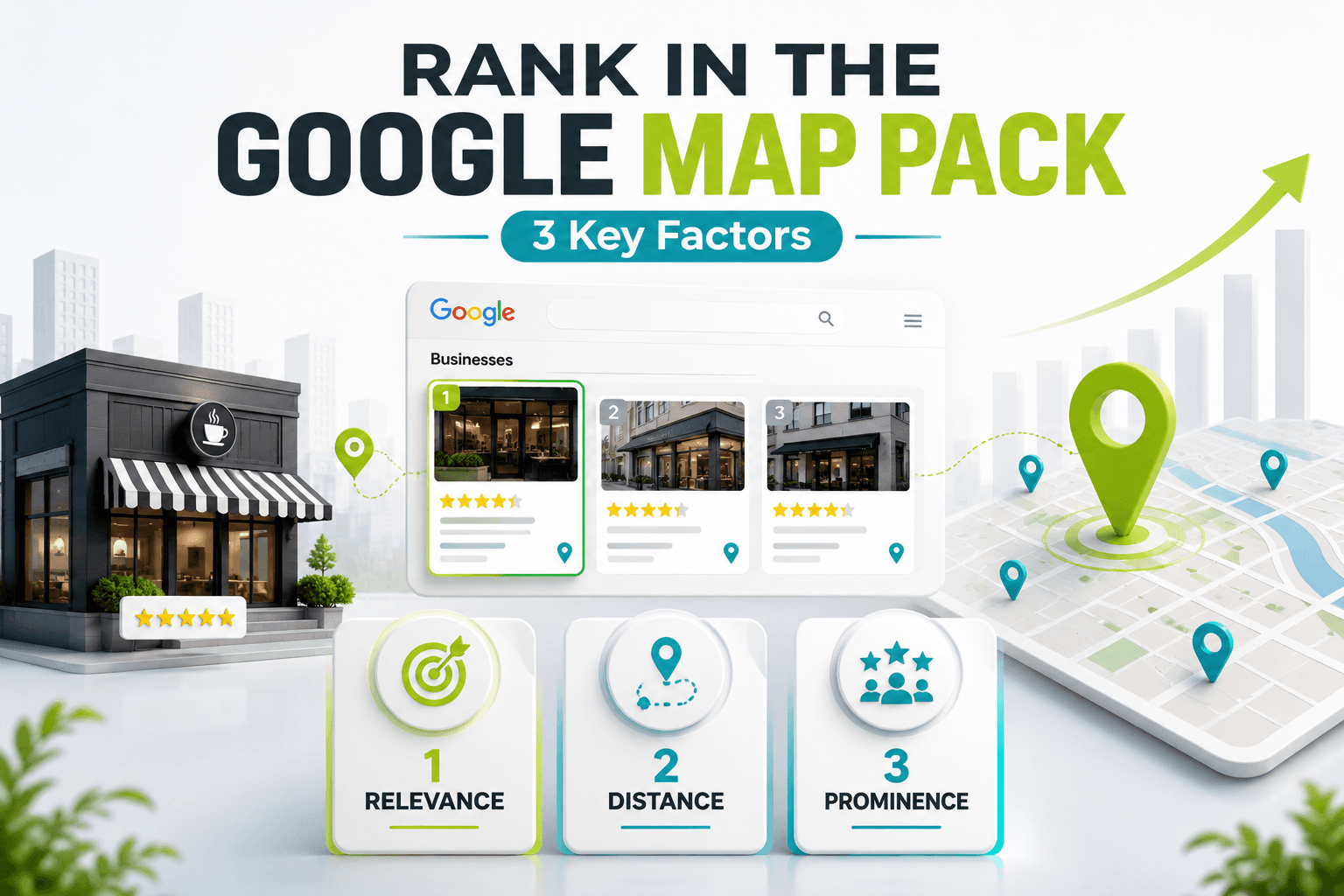
Auto Body Shop SEO and Google Ads That Work
Auto body shops win more customers by pairing local SEO and Google Business Profile work with Google Ads and Local Services Ads campaigns that convert.
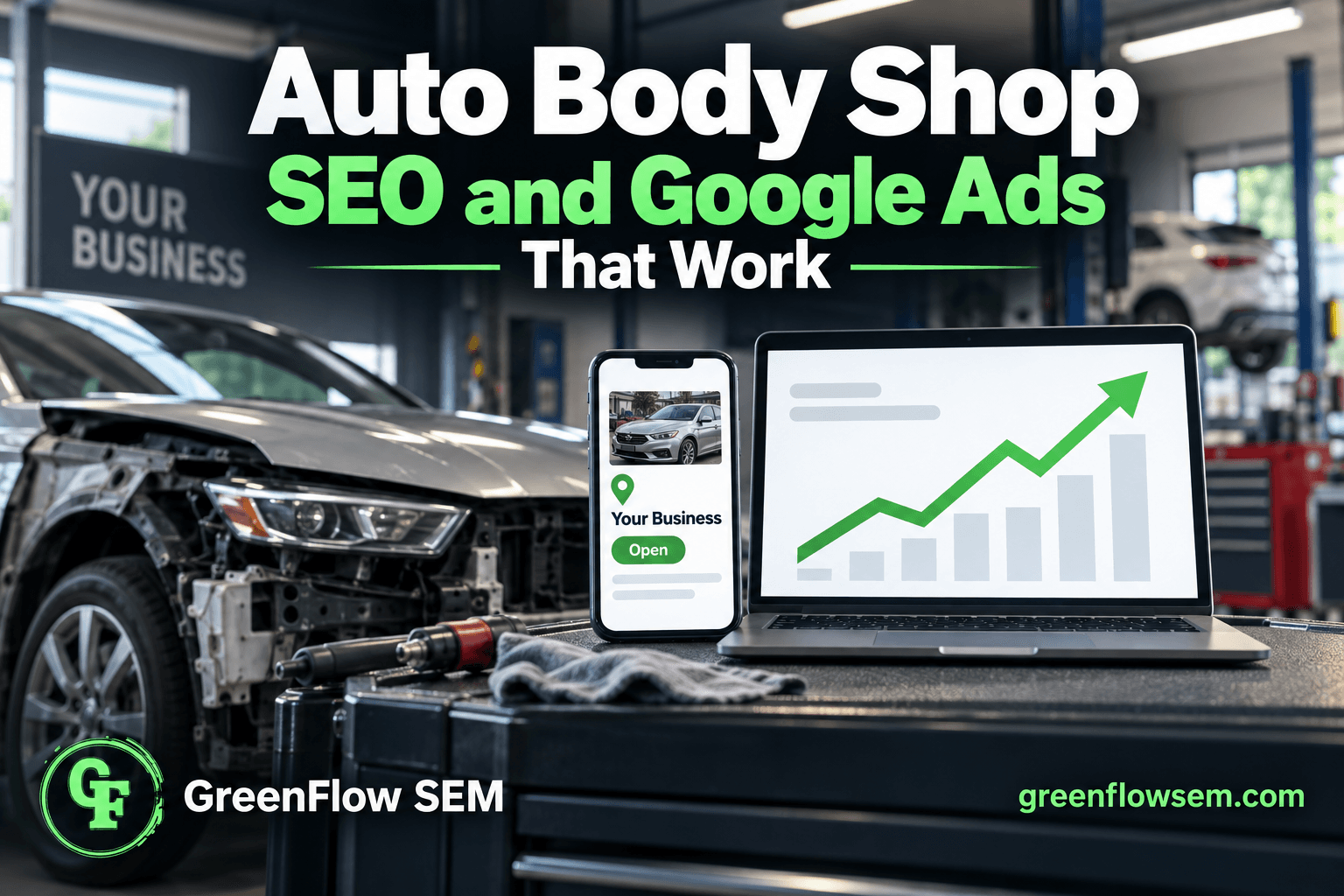
Auto body shops get more customers from Google by doing two things at once: ranking organically in local search and the map pack through SEO, and showing up instantly through paid channels like Google Ads and Local Services Ads. Shops that only do one of these leave leads on the table.
SEO builds a foundation that gets stronger every month, since a body shop with a well-optimized Google Business Profile and solid reviews tends to keep showing up in the map pack without paying per click. Ads, meanwhile, put a shop at the top of results the same day a campaign launches, which matters because most drivers searching for collision repair need help now, not next quarter. Neither approach replaces the other. The shops we see growing fastest treat them as two halves of the same system.
Do Auto Body Shops Really Need to Rank on Google?
Yes. Collision and body repair is almost entirely a local, high-intent search category. Nobody searches for a dent repair shop three states away, and very few people plan the visit weeks in advance. They search after an accident, a fender bender in a parking lot, or a curb-rash on a rim, and they pick from whatever Google shows them in the next five minutes.
That makes visibility in three specific places the whole game:
- The Google Map Pack, the three-listing block that shows up for searches like 'auto body shop near me'
- Organic search results below the map pack for informational and comparison searches
- Paid results at the top of the page, including Google Ads and Local Services Ads
David's Body Shop, a family-owned auto body and rim repair shop in Kenner, LA with over 20 years in business, is a good example of what this looks like when it works. The shop paired a clean, conversion-focused website with local optimization and now holds the #1 Google ranking for auto body repair in its local market. That kind of position means the shop shows up first for exactly the searches that turn into phone calls.
How Local SEO Gets a Body Shop Into the Map Pack
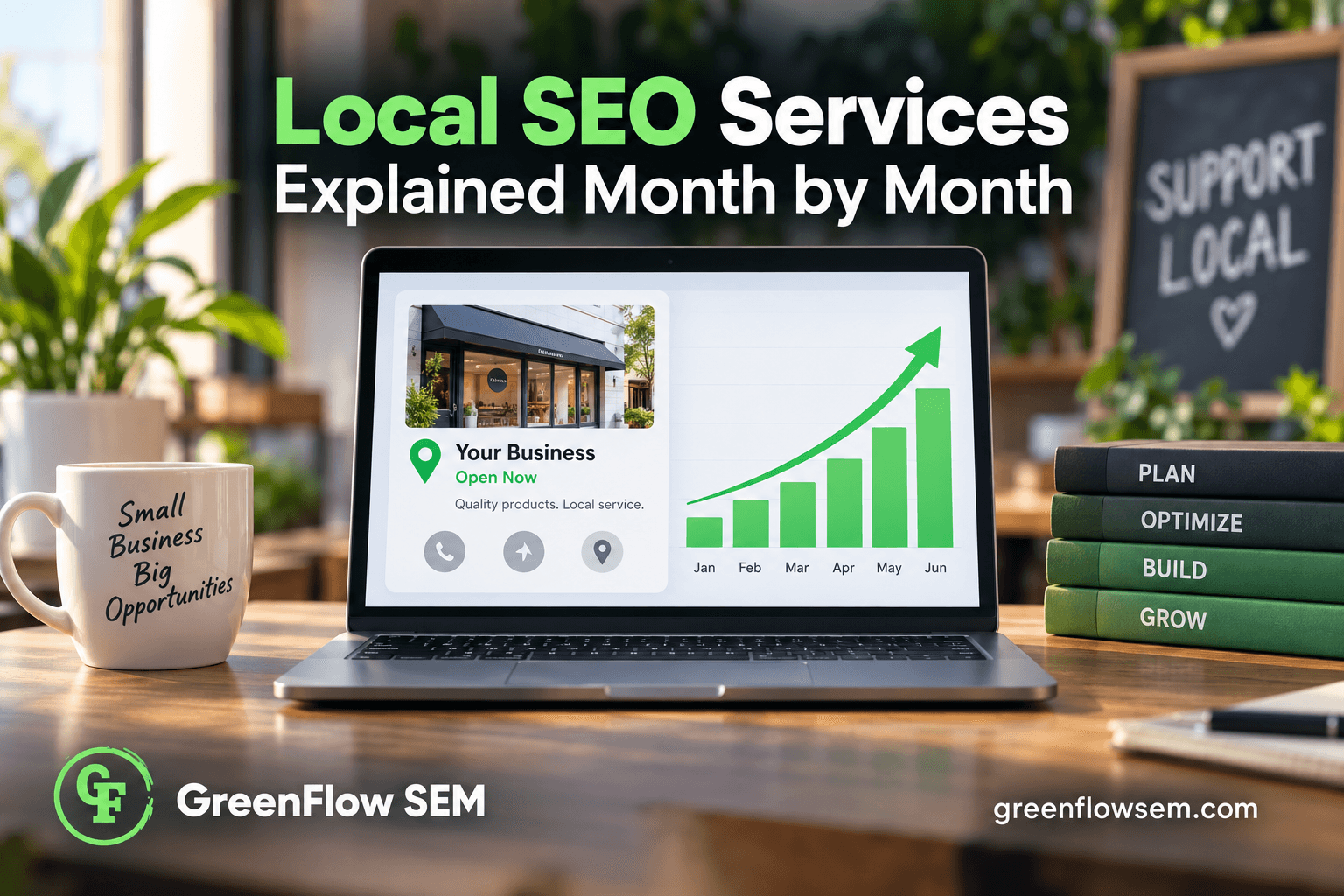
Map pack ranking comes down to three factors Google itself has confirmed: relevance, distance, and prominence. Relevance means your listing and website actually describe the services being searched. Distance means proximity to the searcher. Prominence is a mix of review volume, review quality, citations, and overall online authority. We go into these in more depth in how to rank in the Google Map Pack.
For an auto body shop, the practical work behind those three factors looks like this:
- A fully completed Google Business Profile with correct categories (auto body shop, not just auto repair), services listed, and photos of real work
- A steady stream of new Google reviews, since review count and recency both influence prominence
- Service pages for each repair type: collision repair, dent removal, frame straightening, paint matching, rim repair, and insurance claim assistance
- Consistent business name, address, and phone number across directories and citation sites
- A fast, mobile-friendly website, since Google factors page experience into how it ranks local results
Reviews deserve special attention because they compound. A shop with 200 recent, relevant reviews beats a shop with 40 reviews from three years ago almost every time. If review generation feels like the hardest part, how to get more Google reviews without begging covers systems that work without awkward asks at the counter.
Which Searches Call for Which Tool
One reason auto body shops struggle to prioritize marketing spend is that not every Google search calls for the same response. Some searches are best answered by an optimized profile, others by a landing page, and others need a paid ad in front of them because organic ranking alone would take months to build.
WHERE EACH SEARCH GOES
- collision repair near meMap pack + reviews
- is [shop name] any goodGoogle reviews
- dent repair cost estimateGoogle Ads search
- insurance claim body shopService page SEO
- 24 hour towing collisionLocal Services Ads
Branded and reputation searches are won with a strong Google Business Profile and reviews. Cost and comparison searches, where someone is actively deciding between shops, are often worth bidding on with Google Ads because the intent is high and the competition is visible. Urgent, emergency-style searches are where Local Services Ads shine, since they display the Google Guaranteed badge and let a shop pay per lead instead of per click.
Insurance and claims-related searches tend to be informational and are best served by a dedicated service page that explains the process, which also helps organic rankings over time. Trying to force one channel to cover every intent is a common way body shops waste budget.
Should You Run Google Ads, Local Services Ads, or Both?
This is one of the most common questions body shop owners bring to us, and the honest answer is that it depends on how the shop is set up to handle leads and what the local competition looks like. We wrote a full breakdown in Google Ads vs. Local Services Ads: which should you run first, but here's the short version for collision and body repair specifically.
AD OPTIONS COMPARED
- Google AdsSearch campaigns you controlFrom $700/moFull control
- Local Services AdsPay per lead, not per click$500/mo flatGoogle Guaranteed
- Social Media AdsBuild awareness, retarget site visitorsFrom $750/mo
Local Services Ads run on a pay-per-lead model, so the $500 monthly figure is a flat management fee and does not include the lead budget, which the shop pays directly to Google. That structure appeals to body shops because it removes the risk of paying for clicks that never call. We cover the full cost breakdown in how much do Local Services Ads cost.
Google Ads search campaigns give more control over keywords, ad copy, and targeting, which matters for shops competing on specific services like paintless dent repair or frame straightening. For businesses whose category qualifies, Local Services Ads management is included as part of our Google Ads Growth and Scale plans, so shops don't have to manage two separate vendors.
If you're still deciding how much to allocate across channels, how much should a small business spend on Google Ads in 2026 walks through realistic budget ranges by competition level.
What Should an Auto Body Shop Website Actually Do?
Ranking well or winning the ad auction only matters if the website that follows actually converts. For an auto body shop, that means the site needs to answer three questions in the first few seconds: what services does this shop offer, is it nearby, and how do I get an estimate right now.
Pages every body shop site needs
- A homepage that leads with phone number, hours, and a clear estimate request button
- Individual service pages for collision repair, dent removal, paint, and rim repair
- An insurance claims page explaining the process, since this is a major source of confusion for drivers
- A reviews or testimonials section pulled from real Google reviews
- Fast load times, since slow pages lose mobile visitors before they ever see the phone number
Page speed is worth calling out specifically because most body shop searches happen on a phone, often right after an accident, when patience is thin. Why slow websites lose leads explains how Core Web Vitals affect both rankings and conversion rate.
It also matters where ad traffic lands. Sending paid clicks to a generic homepage instead of a page built for that specific search wastes budget. Landing pages vs. homepages covers why this distinction has an outsized effect on cost per lead.
What a Realistic Rollout Looks Like
Shops often ask how quickly they can expect results. SEO and ads move on different timelines, and setting expectations correctly up front prevents a shop from abandoning a strategy just before it starts paying off.
TYPICAL ROLLOUT
- Audit and FoundationWeeks 1-2
- Launch Paid AdsWeeks 2-4
- Local SEO BuildoutWeeks 3-8
- Compounding GrowthMonths 3-6
In practice, ads carry the lead volume in the first one to two months while SEO work is still building authority. By months three through six, a shop with consistent reviews and updated content usually sees organic and map pack visibility rise, which lowers dependence on paid clicks for the same volume of leads. This is the same pattern behind SEO pricing, which is structured as a monthly investment because rankings compound rather than appear instantly.
Common Mistakes That Waste Body Shop Marketing Budget
We see the same handful of mistakes across body shops trying to do this on their own or with a generalist marketer.
- Listing the business under a generic 'auto repair' category instead of 'auto body shop' on Google Business Profile
- Sending Google Ads clicks to a homepage instead of a service-specific landing page
- Ignoring negative keywords, which lets budget get spent on searches for jobs the shop doesn't do, like mechanical repair or oil changes
- Letting reviews go unanswered, which hurts both prominence and trust with new searchers
- Running ads without conversion tracking, so nobody actually knows which campaigns produce calls versus which produce clicks
The negative keyword issue is worth calling out on its own, since collision repair and general mechanic searches overlap more than most shop owners expect. Negative keywords: stop wasting Google Ads budget walks through how to build that list. Conversion tracking is equally foundational, and why conversion tracking is Google Ads' backbone explains why campaigns without it are essentially flying blind.
Key Takeaways and What to Do This Week
Auto body shops get more customers from Google by combining two things: a local SEO foundation that wins the map pack and organic search over time, and paid channels like Google Ads and Local Services Ads that produce calls immediately. Reviews, correct categories, service pages, and site speed all feed the organic side. Tight keyword targeting, dedicated landing pages, and conversion tracking make the paid side efficient.
A few things you can do this week without any outside help:
- Log into Google Business Profile and confirm the category is set to auto body shop, not a generic repair category
- Ask five recent customers for a Google review, ideally with a direct link sent by text
- Check whether your Google Ads or Local Services Ads clicks land on a homepage or a dedicated service page
- Search your own shop's core terms on a phone and see what actually shows up
If that audit turns up more gaps than you have time to fix, that's normal, and it's exactly the kind of work we handle for auto body and repair shops every week. A free SEO audit or a free Google Ads audit will show you specifically where leads are being lost, and you're welcome to book a call if you'd rather have it handled than DIY it.